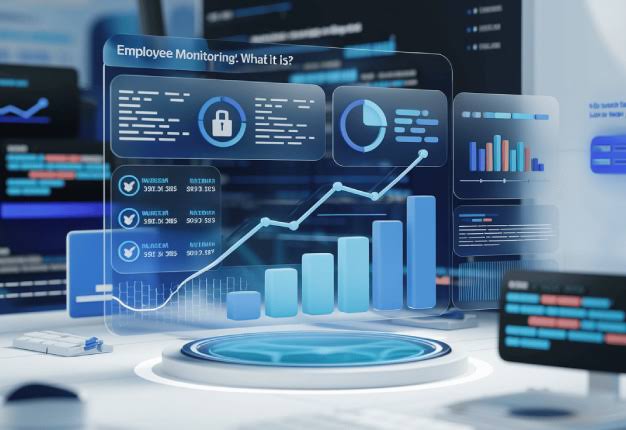
Discover how an Employee Information Management System UAE helps businesses centralise employee records, streamline HR operations, manage essential documentation, and improve workforce efficiency. Explore digital employee management solutions with X-OPP HR.
Managing employee information efficiently is essential for businesses operating in the UAE. As organisations expand, maintaining accurate employee records, tracking documentation, monitoring attendance, and managing workforce information become increasingly complex. An Employee Information Management System UAE provides a centralised digital platform that simplifies human resource administration and improves operational efficiency.
Traditional employee management methods often involve spreadsheets, physical documents, and disconnected software applications. These approaches can create administrative delays, duplicate records, and difficulties retrieving important employee information. Modern employee information management software helps organisations maintain structured workforce data while supporting secure access and streamlined HR workflows.
For businesses seeking reliable employee management solutions in Dubai and across the UAE, implementing an integrated HR system can improve productivity, strengthen information management, and support informed workforce decisions.
What Is an Employee Information Management System UAE?
An Employee Information Management System UAE is a digital solution designed to collect, organise, maintain, and manage employee-related information within an organisation. It provides HR departments with a centralised database for accessing workforce records and managing essential administrative processes.
The system supports employee information throughout the employment lifecycle, from recruitment and onboarding to performance management and employee separation.
Businesses can maintain important information, including:
- Employee personal details and contact information
- Employment contracts and joining dates
- Job titles, departments, and reporting structures
- Emirates ID, passport, and visa documentation
- Attendance records and leave information
- Payroll-related employee details
- Training and performance records
- Employee transfers and employment history
Centralising this information helps HR professionals reduce repetitive administrative activities and maintain consistent employee records across departments. Instead of relying on scattered files or outdated spreadsheets, teams work from a single, organised source of truth that supports day-to-day operations and longer-term workforce planning.
Why UAE Businesses Need Employee Information Management Software
Businesses across the UAE operate in a competitive environment where efficient workforce management contributes to organisational success. Managing employee information manually becomes increasingly challenging as companies recruit additional employees or establish multiple branches.
A modern employee database management system UAE helps organisations organise workforce information and improve coordination between HR departments, management teams, and employees.
Key benefits include:
- Centralised employee records: Maintain workforce information in one organised digital environment.
- Improved data accuracy: Reduce duplicate records and manual entry errors.
- Faster information retrieval: Access authorised employee records without searching multiple files.
- Reduced administrative workload: Simplify document management and routine HR activities.
- Better workforce visibility: Monitor employee status, departmental structures, and HR activities.
- Improved document monitoring: Track important employment documents and upcoming expiration dates.
- Scalable workforce administration: Support growing teams and multi-branch organisations.
These advantages make employee information management software valuable for businesses seeking efficient and structured human resource operations. In a market where compliance, speed, and clarity matter, a well-designed system reduces friction and frees HR teams to focus on higher-value work.
Essential Features of an Employee Information Management System
Selecting an effective employee information management platform requires understanding the capabilities that support daily HR activities.
1. Centralised Employee Database
A centralised employee database stores essential workforce details in an organised system. HR professionals can update employment information, maintain documentation, and retrieve records according to authorised access permissions.
This reduces reliance on disconnected spreadsheets and helps departments work with consistent employee information. When every authorised user sees the same accurate data, coordination improves and the risk of conflicting records declines.
2. Employee Document Management
Employee document management software helps organisations maintain digital copies of employment contracts, identification documents, professional certifications, and other important records.
Configurable document expiration reminders can help HR departments identify upcoming renewals and organise the necessary administrative actions. This is especially useful in the UAE, where visa, Emirates ID, and labour-related documents have clear validity periods that require timely attention.
3. Attendance and Leave Management
An integrated employee attendance management system allows businesses to maintain attendance information, monitor working schedules, and organise employee leave requests.
Managers can review attendance exceptions and approve leave applications according to established company policies. Clear records of attendance and leave support both operational planning and accurate payroll preparation.
4. Employee Onboarding Management
Digital onboarding workflows help HR departments organise new employee registration, documentation collection, departmental assignments, and initial administrative requirements.
Structured onboarding reduces repeated data entry and supports a more consistent experience for newly recruited employees. A smoother start benefits both the individual and the organisation.
5. Employee Performance Records
Employee performance management features help organisations maintain appraisal histories, professional development information, training records, and performance objectives.
These records provide useful information for workforce planning and employee development discussions. Having historical performance data readily available supports fairer evaluations and better talent decisions over time.
6. HR Reporting and Analytics
Employee information management platforms can generate reports covering workforce distribution, attendance trends, pending requests, and documentation requirements.
Such insights help managers understand HR operations and identify areas requiring attention. Regular reporting turns scattered operational data into actionable visibility.
How Employee Information Management Software Improves HR Efficiency
An efficient HR employee management system UAE simplifies administrative processes by connecting workforce information with structured digital workflows.
Instead of maintaining separate employee files across different departments, HR teams can access authorised information through one centralised platform.
Automated notifications and configurable approval workflows can reduce repetitive follow-ups, while organised reporting improves visibility into workforce activities.
For example, when an employee submits a leave request, the system can route it to the appropriate manager for review. Once approved, the relevant leave records can be updated according to the configured process.
This structured approach improves coordination and allows HR professionals to focus on workforce development, employee engagement, and organisational planning. Time previously spent chasing documents or reconciling inconsistent records can be redirected toward activities that add greater value.
Employee Data Security and Privacy Management
Employee information often includes confidential personal and employment details. Protecting this information is an important responsibility for organisations operating in the UAE.
An effective employee information management system should support appropriate security controls and responsible data handling practices.
Important security considerations include:
- Role-based access permissions
- Secure employee document storage
- User authentication controls
- Employee information update histories
- Controlled access to sensitive records
- Defined data retention procedures
- Appropriate backup and recovery arrangements
Businesses should also assess their obligations under applicable UAE personal data protection and employment regulations. Compliance requirements may differ depending on the organisation, jurisdiction, and nature of the employee information processed. A system that supports controlled access and clear audit trails helps organisations meet these responsibilities more effectively.
Employee Information Management for Multi-Branch Businesses
Organisations operating across Dubai, Abu Dhabi, Sharjah, and other Emirates often require consistent employee administration across multiple locations.
A centralised employee management system helps HR departments organise workforce information while maintaining appropriate access permissions for different branches and management teams.
Businesses can monitor departmental headcount, employment documentation, attendance records, and administrative requests through structured reporting.
This approach is particularly useful for real estate organisations, healthcare providers, professional service companies, retail businesses, and other employers managing distributed teams. Consistency across locations reduces duplication of effort and supports clearer oversight at both local and organisational levels.
How X-OPP Supports Employee Information Management in the UAE
X-OPP provides configurable business management solutions designed to connect employee administration with wider organisational workflows.
Its dedicated X-OPP HR product supports employee records, recruitment and onboarding, attendance, leave administration, payroll input preparation, performance information, and document expiration monitoring.
Organisations can benefit from capabilities such as:
- Centralised employee profiles and document records
- Employee onboarding and employment lifecycle workflows
- Attendance, shifts, and leave administration
- Configurable employee request approval processes
- Employment document expiration reminders
- Workforce dashboards and management reporting
- Payroll input preparation and exception reviews
- Role-based permissions for employee information
X-OPP HR can also connect with compatible products within the X-OPP ecosystem, including finance, task management, and business intelligence solutions. Specific integrations and functionality depend on the agreed implementation scope.
These capabilities help organisations create a more structured employee information management environment that aligns with practical UAE business needs.
How to Choose the Right Employee Information Management System UAE
Selecting suitable employee information management software requires evaluating organisational requirements, existing HR processes, and future workforce needs.
Before implementing a solution, businesses should assess:
- Business requirements: Identify essential employee records and administrative processes.
- Ease of use: Choose software that HR teams and authorised managers can navigate efficiently.
- Integration capabilities: Evaluate compatibility with existing payroll, accounting, and operational systems.
- Data security: Review permissions, information protection, and retention requirements.
- Customisation: Confirm whether workflows can reflect organisational policies.
- Scalability: Consider the system’s ability to support additional employees and business locations.
- Implementation support: Review employee data migration, testing, and user training requirements.
Careful evaluation helps businesses select a solution that supports both immediate HR activities and long-term workforce management objectives. Taking the time to match features to real operational needs reduces the risk of underused systems or unnecessary complexity.
Frequently Asked Questions (FAQs)
1. What is an Employee Information Management System UAE?
An Employee Information Management System UAE is software that centralises employee records, documents, attendance information, and HR administration. It helps organisations manage workforce information efficiently through structured digital processes.
2. What are the benefits of employee information management software?
Employee information management software improves record accuracy, reduces administrative workload, and simplifies workforce reporting. It also supports document tracking, controlled information access, and coordination between HR departments.
3. Can employee information management software support payroll processes?
Yes. Employee management software can organise attendance, leave, overtime, and approved payroll-related information. Payroll calculations and integrations depend on the software configuration and implementation requirements.
4. Is employee information management software suitable for small businesses?
Yes. Small businesses can use employee information management software to maintain organised workforce records and streamline administrative tasks. The system can also support growing teams as organisational requirements expand.
5. Why choose X-OPP for employee information management in the UAE?
X-OPP HR provides centralised employee records, document monitoring, attendance administration, and configurable approval workflows. Its connected business software ecosystem supports structured HR management and improved operational visibility.
Conclusion
Implementing an Employee Information Management System UAE helps businesses modernise workforce administration, maintain accurate employee records, and simplify everyday HR activities. Centralised information, configurable workflows, and structured reporting contribute to better organisational efficiency.
As businesses expand, investing in effective employee management processes becomes increasingly important for maintaining consistency and operational control.
X-OPP offers configurable HR management capabilities through X-OPP HR, helping UAE organisations organise workforce information and connect employee administration with wider business operations.
Turn lead response into a system.
Automatically route new leads, prioritize follow-ups and keep your sales team accountable without adding another layer of manual work.